Benefits of Using Facial Moisturizers
Introduction
Facial moisturizers are a crucial part of any skincare routine. Our skin, being the largest organ in the body, requires proper care and hydration to stay healthy and glowing. The primary purpose of facial moisturizers is to provide essential hydration to the skin and protect it from various environmental stressors. In this article, we will explore the numerous benefits of using facial moisturizers and why they are essential for maintaining healthy and radiant skin.
Why Facial Moisturizers are Essential
Hydration and Skin Health
One of the fundamental benefits of facial moisturizers is their ability to hydrate the skin. Hydration is essential to keep the skin plump, soft, and supple. Moisturizers act as a barrier, preventing water loss from the skin, especially in dry or harsh climates. Properly hydrated skin also helps maintain its natural elasticity and reduces the appearance of fine lines and wrinkles.
Protection from Environmental Factors
Our skin is constantly exposed to environmental pollutants, UV rays, and other harmful elements that can damage its texture and lead to premature aging. Facial moisturizers with antioxidant properties can help combat the harmful effects of these environmental stressors, neutralizing free radicals and reducing oxidative damage.
Types of Facial Moisturizers
There are various types of facial moisturizers available in the market, catering to different skin types and needs. Some common types include creams, lotions, gels, and serums. Each formulation offers unique benefits and textures that can suit various preferences and skin conditions.
Key Ingredients in Facial Moisturizers
The effectiveness of facial moisturizers largely depends on the ingredients they contain. Some key ingredients commonly found in moisturizers include:
Hyaluronic Acid
Hyaluronic acid is a powerhouse ingredient for hydration. It has the ability to hold a significant amount of water, providing intense moisture to the skin and giving it a plump and youthful appearance. Check our top Recommendation
Glycerin
Glycerin is a humectant that draws moisture from the air into the skin, keeping it hydrated and preventing dryness. Check our top Recommendation
Aloe Vera
Aloe vera has soothing and anti-inflammatory properties, making it an excellent ingredient for sensitive or irritated skin. Check our top Recommendation
Vitamins (A, C, E)
Vitamins A, C, and E are antioxidants that protect the skin from damage caused by free radicals and promote a healthy complexion. Check our top Recommendations
Retinol
Retinol is a derivative of vitamin A and is known for its anti-aging properties. It helps stimulate collagen production, reducing the appearance of wrinkles and fine lines. Check our top Recommendation
Choosing the Right Facial Moisturizer for Your Skin Type
Not all moisturizers are created equal, and choosing the right one for your skin type is essential to reap maximum benefits. Here are some tips for selecting the appropriate facial moisturizer based on different skin types:
Normal Skin
If you have normal skin without any significant concerns, a lightweight and non-greasy moisturizer is ideal to maintain your skin’s balance.
Dry Skin
Dry skin requires a rich and emollient moisturizer that provides long-lasting hydration and helps repair the skin’s natural moisture barrier.
Oily Skin
For oily skin, oil-free and non-comedogenic moisturizers work best to hydrate without clogging pores or causing breakouts.
Combination Skin
Combination skin can benefit from a moisturizer that balances oil production while providing adequate hydration to both dry and oily areas.
Sensitive Skin
Those with sensitive skin should opt for a hypoallergenic and fragrance-free moisturizer to minimize the risk of irritation.
Check out our face moisturizer Blog!!
Benefits of Using Facial Moisturizers
Hydration and Softening of Skin
Facial moisturizers work to replenish the skin’s moisture levels, preventing dryness and flakiness. Well-hydrated skin feels soft and smooth to the touch.
Improved Skin Texture and Elasticity
Moisturizers containing active ingredients like retinol or alpha hydroxy acids (AHAs) promote cell turnover, leading to smoother and more youthful-looking skin.
Protection against Premature Aging
The antioxidant properties of some moisturizers help neutralize free radicals, which can lead to premature aging and skin damage.
Even Skin Tone and Brightness
Certain moisturizers with ingredients like vitamin C can help fade dark spots and even out skin tone, giving it a brighter and more radiant appearance.
Soothing and Calming Effects
Moisturizers with ingredients like aloe vera and chamomile soothe and calm irritated skin, making them suitable for those with sensitivity or redness.
Supporting Skin Barrier Function
A well-moisturized skin barrier acts as a protective shield, preventing irritants and pollutants from penetrating the skin and causing damage.
How to Apply Facial Moisturizers Correctly
Proper applicationof facial moisturizers is essential to ensure optimal absorption and effectiveness. Follow these steps for correct application:
Cleansing the Face
Before applying moisturizer, ensure your face is clean and free from impurities. Use a gentle cleanser suitable for your skin type to remove dirt, oil, and makeup residue.
Applying Moisturizer to Damp Skin
For maximum hydration, apply moisturizer to slightly damp skin. After cleansing, pat your face dry with a soft towel, leaving it slightly moist.
Gentle Massage Technique
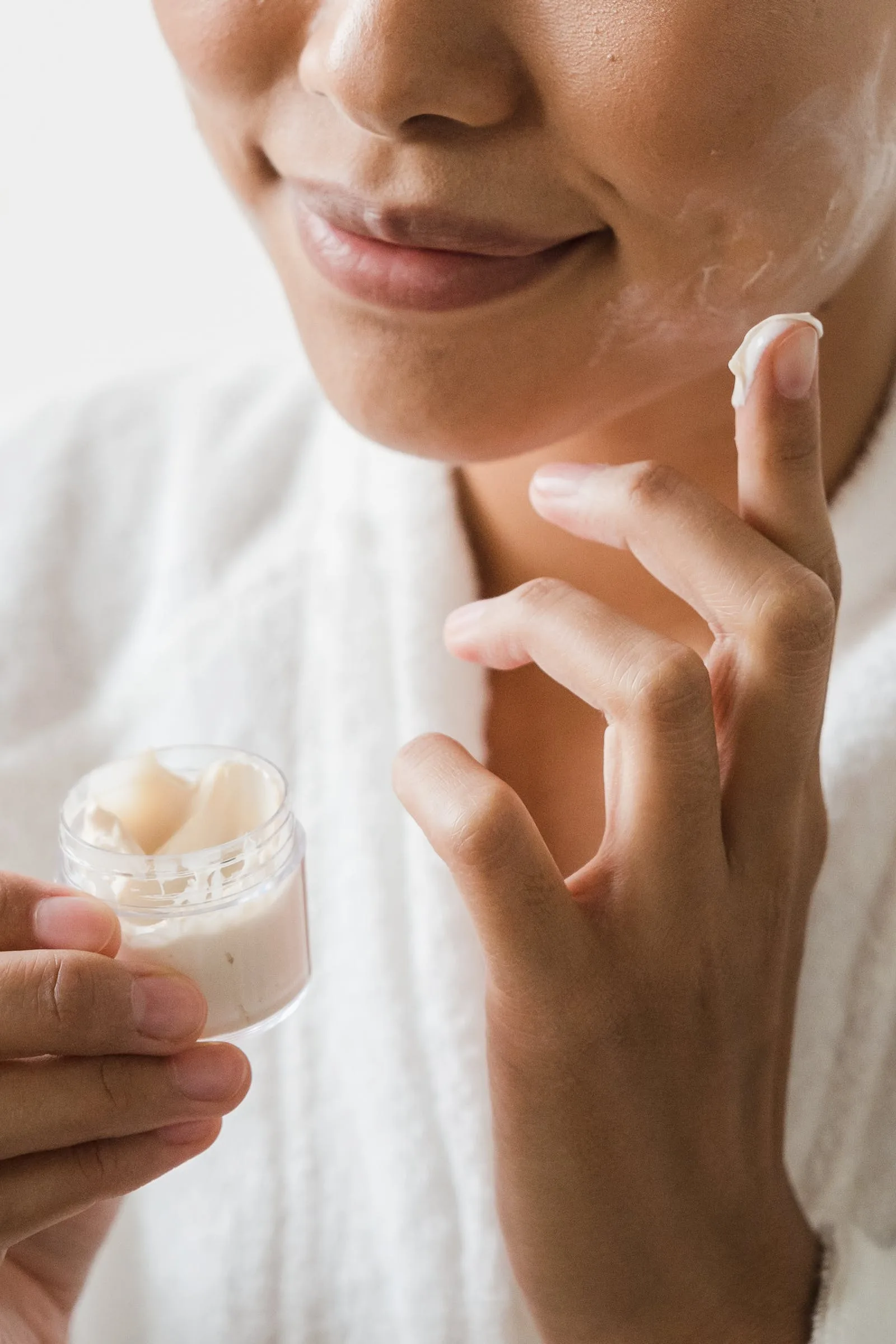
Take a pea-sized amount of moisturizer and dot it on different areas of your face – forehead, cheeks, nose, and chin. Gently massage the product into your skin using upward and outward motions. This helps in better absorption and stimulates blood circulation.
SPF Application
If your moisturizer does not contain sun protection, layer it with a broad-spectrum sunscreen with at least SPF 30. Sunscreen is crucial to shield your skin from harmful UV rays, preventing sunburn and premature aging.
Integrating Moisturizers into Your Skincare Routine
To maximize the benefits of facial moisturizers, incorporate them into your daily skincare routine. A well-rounded routine includes both morning and nighttime skincare steps.
Morning Skincare Routine
- Cleansing: Start your day by cleansing your face to remove any impurities that might have accumulated overnight.
- Toner: Apply a toner to balance your skin’s pH levels and prepare it for the next steps.
- Serum: Consider adding a serum with active ingredients that target specific skin concerns, such as brightening or anti-aging.
- Eye Cream: Gently dab on an eye cream to hydrate the delicate skin around your eyes and reduce puffiness.
- Moisturizer with SPF: Finish your morning routine with a moisturizer containing SPF, ensuring protection from sun damage throughout the day.
Nighttime Skincare Routine
- Double Cleansing: Start with an oil-based cleanser to remove makeup and sunscreen, followed by a water-based cleanser to cleanse the skin thoroughly.
- Exfoliation: Use an exfoliant 2-3 times a week to slough off dead skin cells and promote skin renewal.
- Toner: Apply a hydrating toner to prepare your skin for better absorption of subsequent products.
- Treatment: If using any treatment products like retinoids or acne treatments, apply them at this stage.
- Eye Cream: Reapply the eye cream to provide nourishment to the delicate eye area.
- Moisturizer: Finish your nighttime routine with a richer moisturizer to deeply hydrate your skin while you sleep.
Common Myths and Misconceptions about Facial Moisturizers
Moisturizers Cause Breakouts
One common myth is that moisturizers can cause breakouts, especially for those with oily or acne-prone skin. However, using a non-comedogenic, oil-free moisturizer is unlikely to clog pores and lead to breakouts.
Oily Skin Doesn’t Need Moisturizers
Another misconception is that people with oily skin don’t need moisturizers. In reality, oily skin can also experience dehydration, which can be balanced with lightweight, oil-free moisturizers.
All Moisturizers are the Same
Not all moisturizers are created equal, and each formulation caters to different skin types and concerns. It’s essential to choose a moisturizer tailored to your specific needs.
DIY Facial Moisturizers: Pros and Cons
Natural Ingredients
DIY facial moisturizers using natural ingredients can be a cost-effective and environmentally friendly option. Ingredients like coconut oil, shea butter, and honey can provide nourishment to the skin.
Safety and Effectiveness
However, DIY moisturizers may lack preservatives and stability testing, leading to a shorter shelf life and potential contamination risks.
Best Practices for Facial Moisturizer Use
Patch Testing
Before using a new moisturizer, it’s essential to perform a patch test on a small area of your skin to check for any allergic reactions or irritation.
Avoiding Harsh Ingredients
Avoid moisturizers containing alcohol, fragrances, or synthetic dyes, as these can cause irritation and dryness in some individuals.
How to Identify a Good Facial Moisturizer Product
Reading Ingredient Labels
Always read the ingredient labels to ensure that the product contains beneficial ingredients and does not include any potential irritants.
Checking for Allergens
If you have allergies or sensitive skin, look for products labeled as hypoallergenic and free from common allergens.
The Role of Facial Moisturizers in Makeup Application
A well-moisturized face provides an ideal canvas for makeup application. Moisturizers help create a smooth texture, making it easier for foundation and other makeup products to glide on seamlessly.
The Link Between Diet and Skincare
The old adage “you are what you eat” applies to skincare as well. A balanced diet rich in fruits, vegetables, and omega-3 fatty acids can promote healthy skin from within.
Conclusion
Facial moisturizers are a vital aspect of any skincare routine. They offer numerous benefits, including hydration, improved skin texture, protection against environmental factors, and more. By choosing the right moisturizer for your skin type and incorporating it into a well-rounded skincare routine, you can enjoy the long-term benefits of healthy and radiant skin.
FAQs
1. How often should I apply facial moisturizer?
You should apply facial moisturizer twice daily – once in the morning and once at night after cleansing your face.
2. Can I use the same moisturizer for day and night?
While it’s possible to use the same moisturizer, some people prefer a lighter formulation for daytime and a richer one for nighttime.
3. Can facial moisturizers replace sunscreen?
Facial moisturizers with SPF can offer some sun protection, but it’s best to use a dedicated sunscreen for adequate protection against harmful UV rays.
4. Are natural moisturizers always safe?
Not necessarily. While natural ingredients can be beneficial, it’s crucial to ensure proper preservation and avoid potential allergens.
5. Can facial moisturizers prevent wrinkles?
Regular use of moisturizers with anti-aging ingredients can help minimize the appearance of wrinkles and fine lines over time.